Abstract: This study focuses on the preparation of high-purity medical-grade tantalum powder. It optimizes the process parameters of the hydrogenation-dehydrogenation process and systematically characterizes the properties of the resulting tantalum powder. The results indicate that the process optimization effectively improved the purity and overall performance of the tantalum powder, meeting the stringent requirements for high-purity tantalum materials in the medical field. This research provides an important reference for the preparation of medical-grade tantalum powder.
0 Introduction
High-purity medical-grade tantalum powder has found widespread application in high-end medical fields, such as medical devices and surgical implants, due to its excellent corrosion resistance, good biocompatibility, and outstanding mechanical properties. With the advancement of medical technology, demand for this material has surged dramatically. Since the purity and performance of the material directly impact product safety and practicality, the global market for high-purity medical-grade tantalum is expanding rapidly, placing higher demands on preparation processes to ensure stability and consistent performance across every batch. Traditional preparation techniques, such as electrolysis and vacuum melting, suffer from drawbacks such as difficulty in completely removing impurities and process complexity, which hinder the stable, large-scale production of high-quality tantalum powder. The hydrogenation-dehydrogenation method, as an efficient purification technique, holds potential for improving process parameters and enhancing purity; however, research on the influence of process parameters and the optimization mechanism remains insufficient. This paper aims to refine the process parameters of the hydrogenation-dehydrogenation process, investigate their impact on tantalum powder performance, and provide theoretical and technical references.
1 Principles and Process Fundamentals of the Hydrogenation-Dehydrogenation Method for Producing High-Purity Medical-Grade Tantalum Powder
1.1 Current Applications and Performance Requirements of Medical-Grade Tantalum Powder
Medical-grade tantalum powder is widely used in the manufacture of medical devices and biomedical products, and is particularly favored in fields such as orthopedic implants and cardiovascular stents. Due to its lack of rejection reactions and excellent biocompatibility with human tissue, as well as its moderate strength and toughness combined with high corrosion resistance, it is also used to manufacture electronic components such as thin-film electrodes and conductive pastes, demonstrating exceptional performance. To meet these requirements, medical-grade tantalum powder must have a purity of 99.9% or higher to ensure long-term stability and safety within the human body. The particles must be fine and uniform in size and shape, as this enhances the strength and longevity of the sintered body, ensuring the long-term safe use of the implant. Although the preparation process is extremely complex and costly, tantalum powder occupies an irreplaceable and vital position in high-tech and biomedical fields due to its unique properties. With the advancement of new medical technologies and the rising demand in clinical settings, the demand for and performance requirements of high-purity medical-grade tantalum powder will continue to rise, driving ongoing innovation and optimization in preparation processes.
1.2 Basic Principles and Influencing Factors of the Hydrogenation-Dehydrogenation Process
The hydrogenation-dehydrogenation process is a key method for producing high-purity medical-grade tantalum powder. The entire process consists of two stages: hydrogenation and dehydrogenation. During the hydrogenation stage, tantalum metal reacts rapidly with hydrogen gas at high temperatures to form tantalum hydride. This significantly lowers the original melting point of tantalum and substantially increases the material’s brittleness, making subsequent pulverization much easier. Subsequently, by precisely controlling the temperature and pressure during the dehydrogenation process, the tantalum hydride can be completely reduced back into high-purity tantalum powder. The primary factors influencing the overall process performance include reaction temperature, gas pressure, and reaction duration. By selecting appropriate temperature and pressure values, the hydrogenation and dehydrogenation reactions can be accelerated and efficiently completed, leading to a significant improvement in product purity and a better particle size distribution. The microstructure of the tantalum powder and its medical performance properties are entirely dependent on the precision of the process parameters; continuous refinement of these parameters is crucial for substantially enhancing the final product quality.
1.3 Tantalum Powder Preparation Process and Key Process Parameters
The hydrogenation-dehydrogenation method is widely used in the preparation of high-purity medical-grade tantalum powder. The main process consists of two key steps: hydrogenation and dehydrogenation. The hydrogenation process involves subjecting tantalum to a hydrogen atmosphere at high temperatures to facilitate hydrogen adsorption, thereby forming tantalum hydride. Key process parameters include reaction temperature, hydrogen pressure, and reaction time. Among these parameters, temperature and pressure must be precisely controlled to prevent either over-hydrogenation or insufficient hydrogenation of the tantalum. The dehydrogenation step must be carried out under vacuum or in an inert gas atmosphere, where heating is used to drive hydrogen out of the tantalum hydride. The key parameters for this stage are also temperature and time; both must be coordinated with the hydrogenation stage to ensure that the final tantalum powder achieves high purity and excellent physical properties.
2 Optimization of the Hydrogenation-Dehydrogenation Process and Control of Key Parameters
2.1 Selection and Optimization of Major Process Parameters
The key to optimizing the hydrogenation-dehydrogenation process lies in selecting the major process parameters. Parameters such as temperature, gas pressure, and reaction time during the hydrogenation stage directly affect the final purity and performance of the tantalum powder. Temperature promotes the diffusion of hydrogen molecules into the interior of the tantalum, which requires repeated experiments to determine the optimal temperature range, thereby ensuring that the tantalum powder possesses high reactivity and high purity. Gas pressure is a key controllable factor that affects the adsorption rate of hydrogen and the dehydrogenation efficiency; adjusting the pressure can significantly improve the performance of the tantalum powder. Reaction time controls the extent of hydrogenation and dehydrogenation; different time settings result in variations in the microstructure of the tantalum powder and, consequently, in its final performance. Selecting the optimal combination through experimental optimization enables an efficient hydrogenation and dehydrogenation process. Taking all the above parameters into comprehensive consideration, experiments have demonstrated that the optimized parameter combination not only improves the purity of the tantalum powder but also enhances its medical performance. The selection and optimization of key process parameters play a crucial role in the preparation of high-purity medical-grade tantalum powder, laying a solid foundation for subsequent production.
2.2 The Effect of Atmosphere Temperature, Time, and Other Factors on Product Quality
The control of the three parameters—atmosphere, temperature, and time—during the hydrogenation-dehydrogenation process plays a decisive role in the final quality of tantalum powder. Selecting an appropriate atmosphere promotes efficient hydrogenation-dehydrogenation reactions. Using high-purity hydrogen during production reduces the formation of oxides, thereby enhancing the purity of the tantalum powder. The temperature during the hydrogenation stage must be sufficient to completely decompose surface oxides on the tantalum while preventing the introduction of excessive impurities. Optimized temperature control can significantly accelerate the hydrogenation rate and effectively suppress adverse changes in surface activity. Time control requires that the hydrogenation-dehydrogenation reaction be sustained for a sufficient duration to ensure the reaction is thoroughly completed while avoiding unnecessary energy consumption. Through precise control of these three parameters, the microstructure of the tantalum powder is significantly optimized, resulting in more uniform particles and further enhanced purity, ensuring that the produced tantalum powder fully meets the requirements for high-purity medical-grade applications.
2.3 Results of Process Optimization
Following the implementation of optimization measures, the hydrogenation-dehydrogenation process has significantly improved the performance and quality of high-purity medical-grade tantalum powder. Through specific technical methods, various process parameters were precisely adjusted and optimized, enabling staff to accurately control conditions such as temperature, time, and atmosphere. This has led to a substantial increase in the purity of the tantalum powder and a significant reduction in impurity content, thereby fully meeting the stringent requirements of medical applications. The new process has markedly improved the microstructure and particle size distribution of the tantalum powder, resulting in more uniform and consistent particles. After fine-tuning various preparation parameters, processing speeds have increased significantly while production costs have been reasonably reduced. This process optimization has successfully established a reliable method for manufacturing high-quality medical-grade tantalum powder, while also creating favorable conditions for the subsequent development of additional applications.
3 Characterization of the Obtained Tantalum Powder and Its Suitability
3.1 Testing of Physical and Chemical Purity
The testing of the physical and chemical purity of tantalum powder is of critical importance for its safe application in medical devices. Physical purity testing primarily employs X-ray diffraction (XRD) and scanning electron microscopy (SEM) to analyze the crystal structure and surface morphology of tantalum powder particles. XRD patterns can identify the presence of any impurity phases within the particles, ensuring that the crystallization of all particles is uniform and consistent. Scanning electron microscope images reveal the microscopic surface morphology of the particles, allowing for the assessment of surface roughness and shape—factors that influence material purity. Chemical purity testing utilizes inductively coupled plasma mass spectrometry (ICP-MS) to precisely measure the content of impurity elements, ensuring that tantalum powder poses no risk of chemical contamination in medical products. The tantalum powder produced through the improved hydrogenation and dehydrogenation process exhibits exceptionally high purity, with significantly reduced impurity levels that meet the requirements for medical-grade tantalum materials. High-purity tantalum powder demonstrates outstanding biocompatibility and exceptional material stability, making it particularly suitable for the manufacture of medical devices and human implants.
3.2 Microstructure and Particle Size Distribution Characteristics
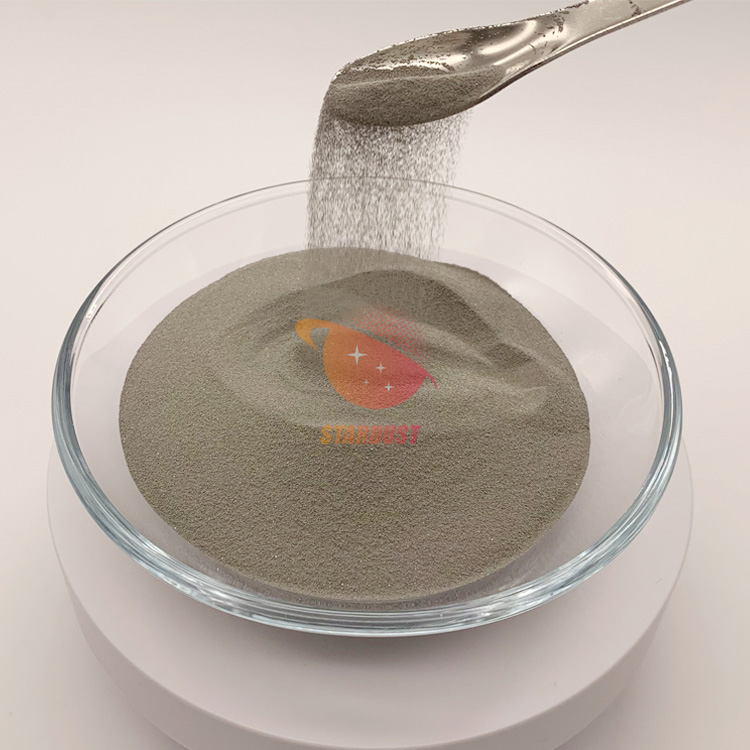
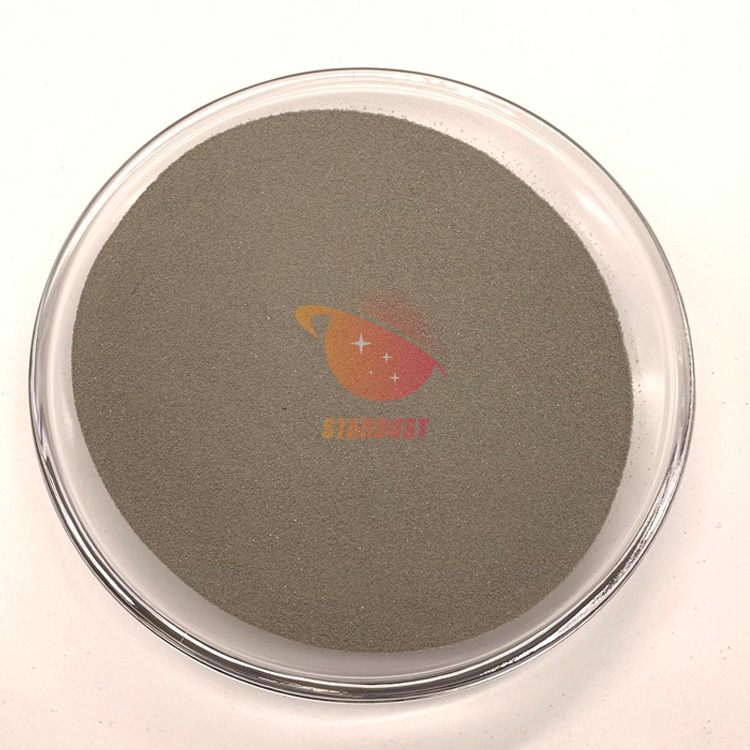
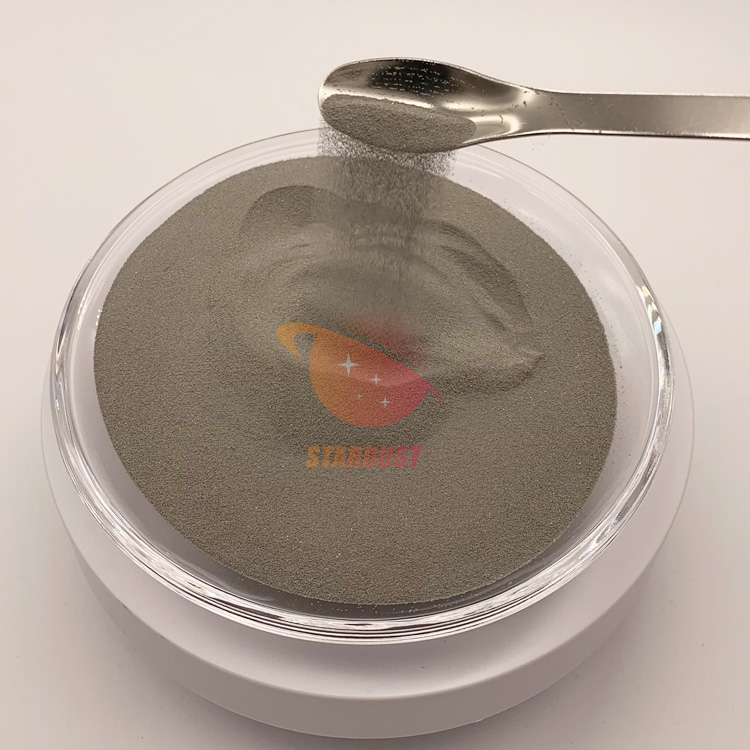
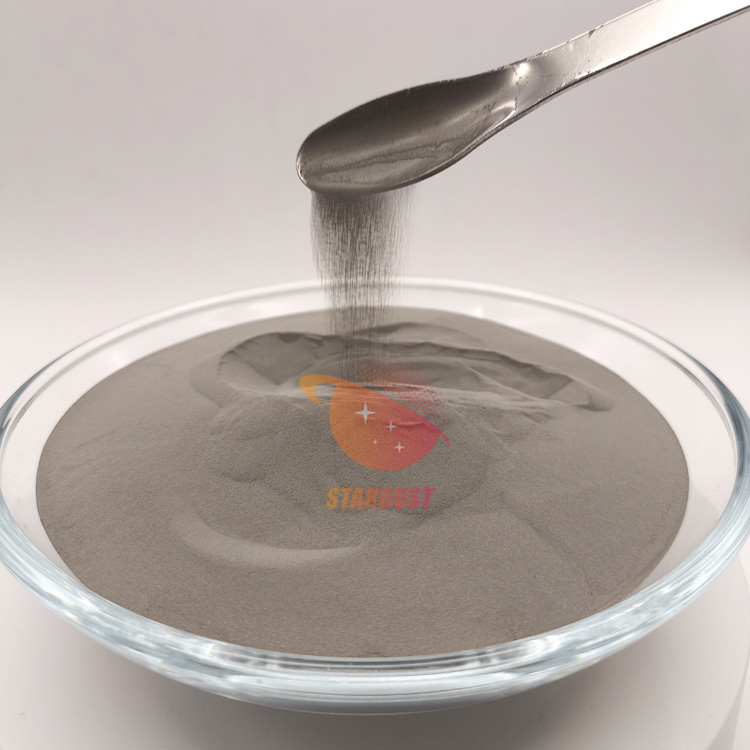
In the performance analysis of the obtained tantalum powder, the microstructure and particle size distribution characteristics are key criteria for evaluating the powder’s suitability. Scanning electron microscopy (SEM) observations reveal that the tantalum powder particles have a relatively uniform morphology, appearing spherical or nearly spherical, with a high surface smoothness. This particle morphology helps improve the powder’s flowability and packing density. Measurements from a laser particle size analyzer in the particle size distribution test indicate that the tantalum powder exhibits a narrow particle size distribution, with a D50 value in the micrometer range. A narrow particle size distribution is crucial for maintaining performance stability and ensuring uniform processing, particularly in the precision manufacturing of medical materials. A uniform microstructure and appropriate particle size distribution characteristics indicate that tantalum powder possesses excellent physical properties, offering broad application prospects that fully meet the requirements of medical device manufacturing.
3.3 Medical Performance Evaluation and Prospects for Practical Application
Once tantalum powder is processed into medical materials, its suitability is evaluated through biocompatibility and mechanical property testing. High-purity tantalum powder does not cause allergic reactions in the human body, nor is it rejected by the body. The microstructure and shape of the tantalum powder particles play a decisive role in the fixation and durability of the material after implantation. High-purity tantalum materials can significantly reduce the risk of postoperative infections and other related complications, thereby providing patients with more reliable safety assurance. Tantalum powder particles have a relatively uniform size distribution and a well-treated surface, making them particularly suitable for the manufacture of orthopedic implants and medical devices such as cardiovascular stents. After thorough testing and analysis, this type of tantalum powder has been found to possess excellent biocompatibility, and it can be applied to a wider range of medical products in the future to meet the ever-growing demands of the medical industry.
4 Conclusion
This study focuses on the preparation of high-purity medical-grade tantalum powder. It thoroughly examines the entire process of optimizing hydrogenation and dehydrogenation process parameters and comprehensively evaluates the performance of the tantalum powder using scientific methods. The optimized process has significantly improved the purity and physicochemical properties of the tantalum powder, meeting the relevant requirements for medical materials and advancing the level of medical-grade tantalum powder production technology in China. However, as we move toward large-scale production, the stability of process parameters and the consistency of material properties across different batches still require significant improvement and further investigation. In the future, research into the microscopic mechanisms of hydrogenation and dehydrogenation should continue to advance. Methods for better controlling particle size distribution should be explored, and the analysis of impurity element content should be thoroughly conducted. Additionally, biocompatibility testing should be performed based on the actual application scenarios of medical tantalum materials, and experiments for industrial-scale upscaling should be carried out. These efforts will lay a solid theoretical foundation and provide technical support for the development and application of high-quality medical tantalum materials.
References: Proceedings of the Academic Symposium on Engineering Technology and New Energy Economics; Optimization of the Hydrogenation-Dehydrogenation Process and Performance Characterization of High-Purity Medical-Grade Tantalum Powder; Tu Wanyong, Ma Jiajun, Li Xiaoping, Zhang Yajun, Liu Lei, Li Xingyu, Qu Dong
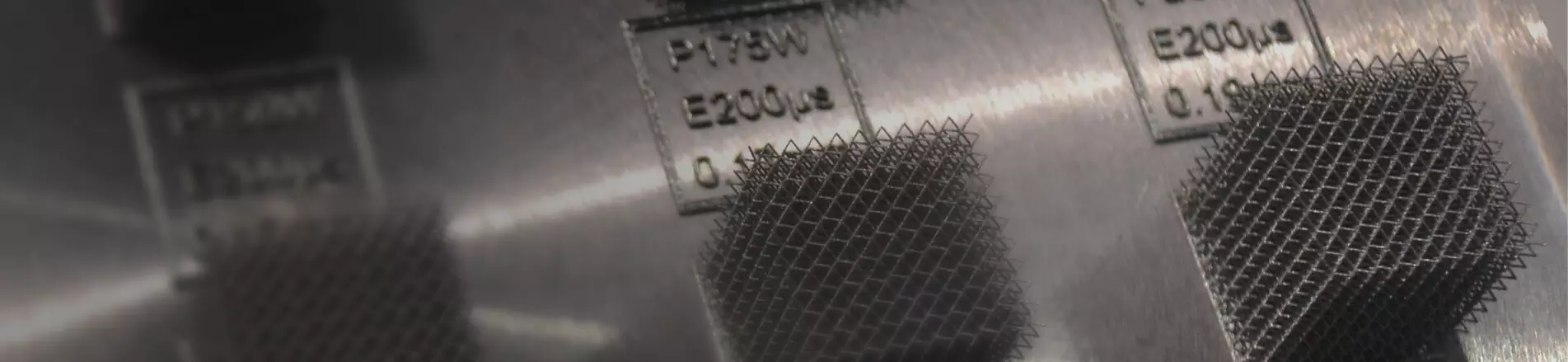
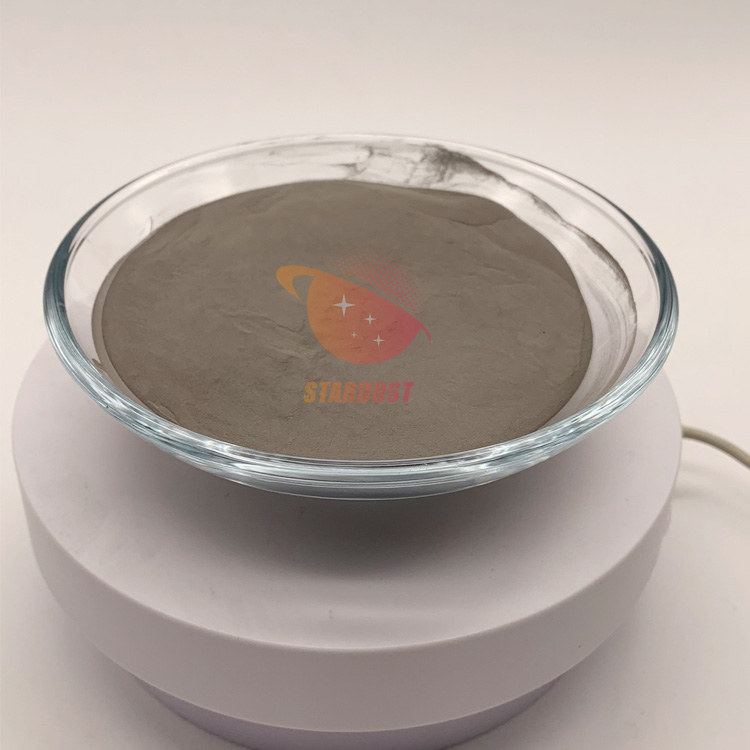
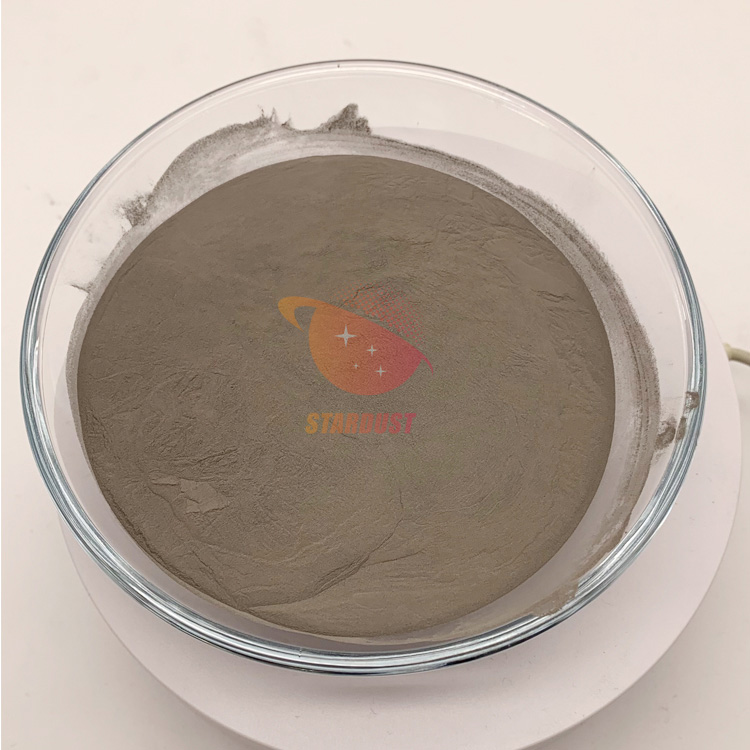
Stardust Technology specializes in the research, development, and production of high-end spherical powders made from rare and refractory metals, as well as related process technology services. Deeply rooted in the new materials industry, the company leverages its mature and comprehensive production system and solid technical expertise to continuously provide high-quality powder materials and integrated solutions to a wide range of industries. The company offers a comprehensive range of products, covering various rare refractory metals such as tungsten, molybdenum, tantalum, niobium, vanadium, titanium, zirconium, hafnium, rhenium, and chromium, as well as corresponding alloys and compound spherical powders. Among these, specialty products such as spherical tantalum powder are produced using mature manufacturing processes, resulting in excellent powder compaction and stable overall physical properties, making them suitable for a wide range of precision manufacturing applications. All products are selected with rigorous standards and produced under standardized quality control, ensuring stable and reliable overall quality. With a wide range of applications, they fully meet the material selection and usage standards of various industries. In terms of core process equipment, the company primarily promotes complete sets of radio-frequency plasma spheronization equipment. Leveraging mature plasma forming technology, this equipment efficiently performs spheronization modification on various high-melting-point metal powders. The entire system operates under stable conditions with a high level of cleanliness during the preparation process. It effectively optimizes the internal microstructure of the powder, enhancing its flow properties and formability. Compared to traditional powder production methods, this process offers greater adaptability and can easily meet the customized preparation needs of various refractory metal powders. In addition to the core spheroidization process, the company maintains a comprehensive business portfolio, simultaneously offering diversified advanced technical services such as plasma rotating electrode atomization powder production, 3D printing support processing, hot isostatic pressing (HIP), metal injection molding, and powder metallurgy forming. These services align closely with current trends in the additive manufacturing industry, establishing a complete service chain spanning from raw powder preparation to finished product forming. Leveraging robust production capabilities and attentive support services, Stardust Technology consistently focuses on actual market needs, strictly controls production processes, and continuously optimizes process solutions. Building on a foundation of high-quality spherical rare-metal powders and supported by diverse advanced process services, we focus on mainstream application fields such as aerospace, precision machinery, energy electronics, and high-end equipment. We are dedicated to meeting our customers’ various customized needs. Guided by a pragmatic and steady development philosophy, we collaborate with industry partners to jointly promote the steady growth of the new materials and high-end manufacturing sectors. For more product information, please contact our professional sales manager, Cathie Zheng, at +86 13318326187.





 IPv6 network supported