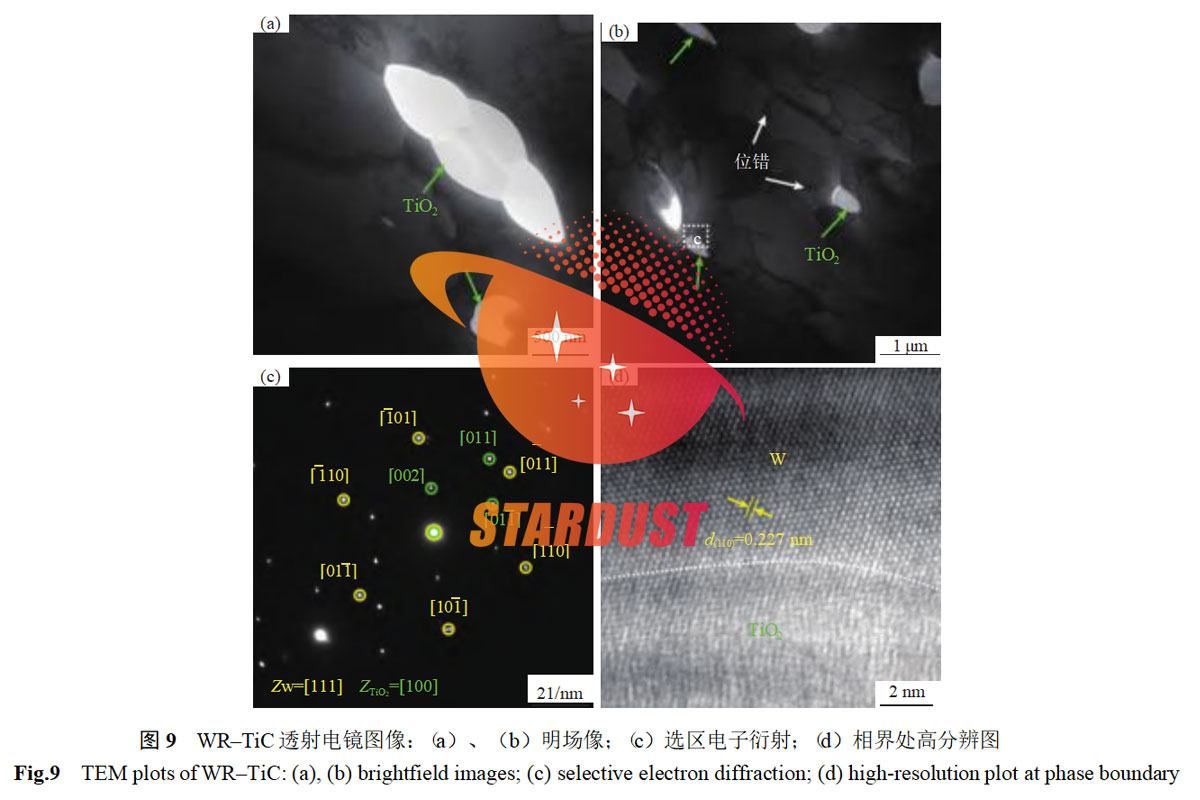
IntroductionTungsten possesses a high melting point, high hardness, and excellent corrosion and radiation resistance, offering broad application prospects in the field of thermonuclear fusion. Particularly within the International Thermonuclear Experimental Reactor (ITER) project, tungsten is regarded as an ideal material for plasma-facing components [1-2]. However, its brittleness at room tempera
Read MoreHigh-entropy alloys (HEAs) typically contain five or more major elements, with each constituent present in equimolar or near-equimolar ratios. This alloy design concept was first proposed in 2004 by Professor Yue Junwei and his research team at National Tsing Hua University, Taiwan [1]. Unlike traditional alloys, HEAs exhibit high-entropy effects, hysteretic diffusion effects, lattice distortion e
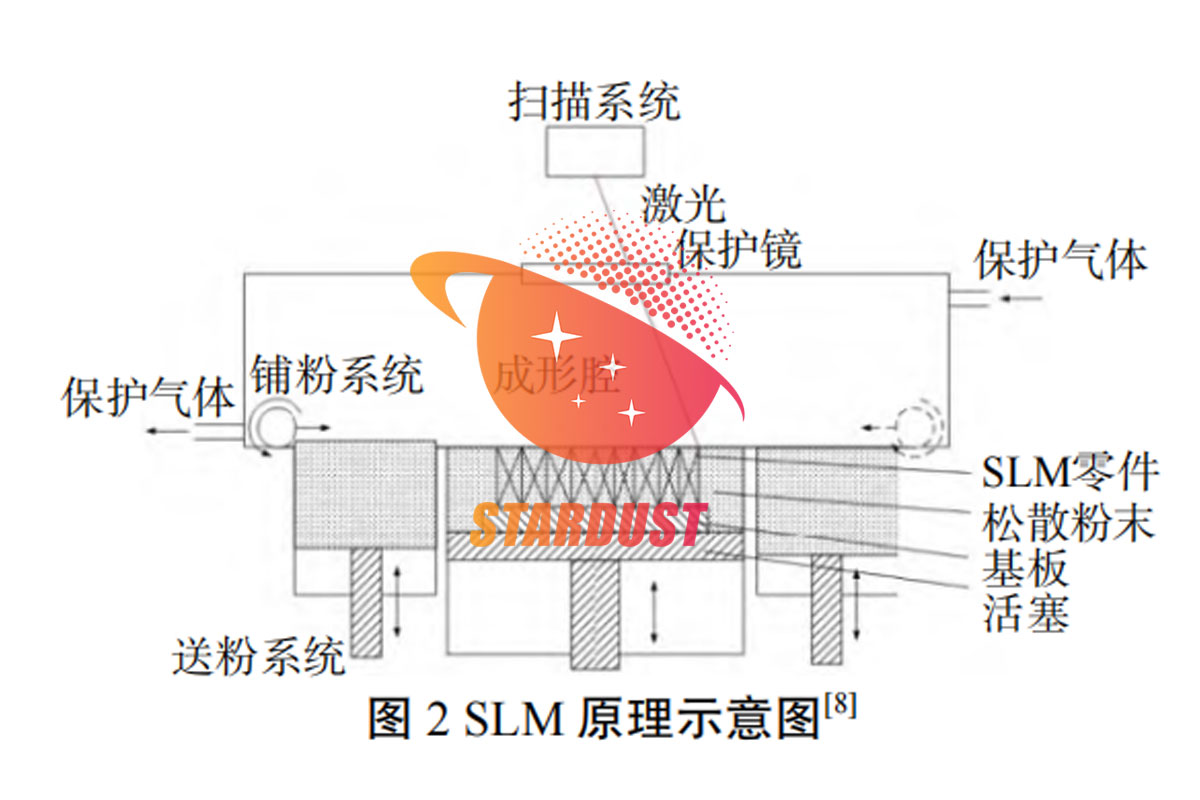
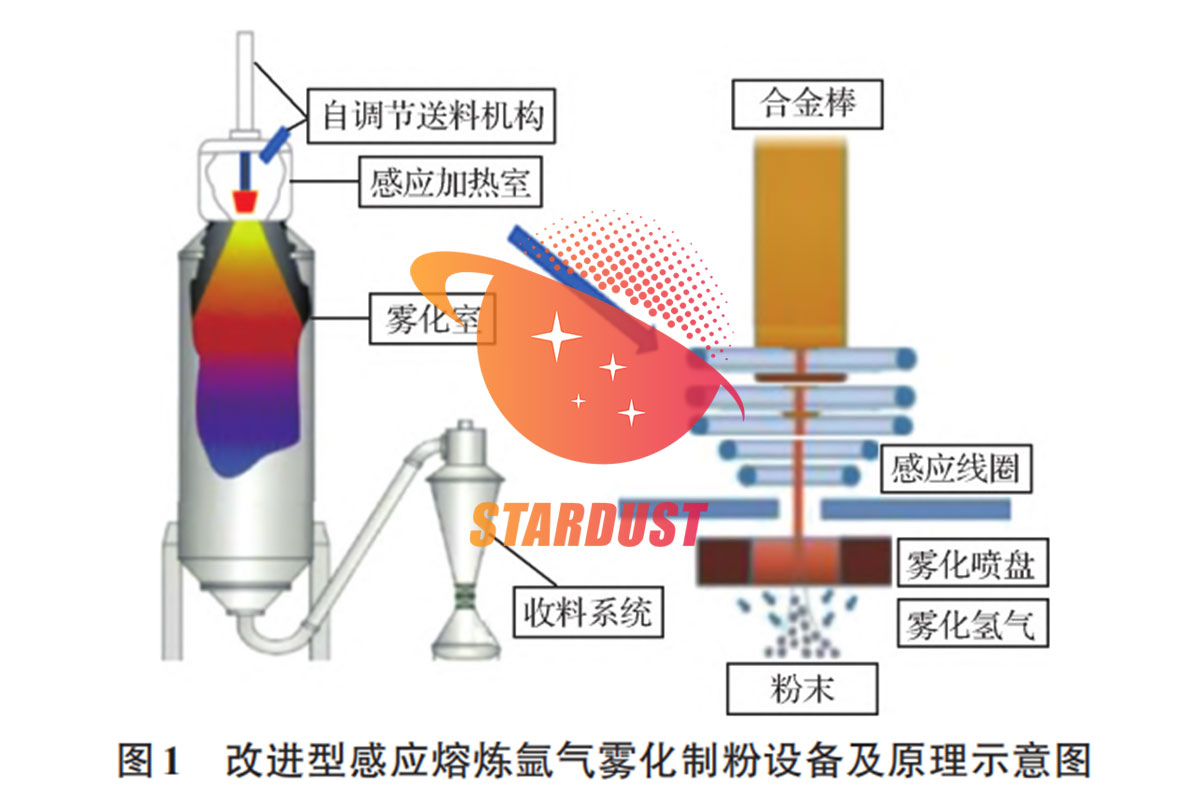
Read More0 IntroductionAs a vital component of high-end equipment manufacturing, the aerospace industry consistently faces challenges in component processing, including complex geometries, stringent precision requirements, and difficult-to-machine materials. Traditional subtractive manufacturing methods suffer from lengthy process routes, significant material waste, and high production costs when processin
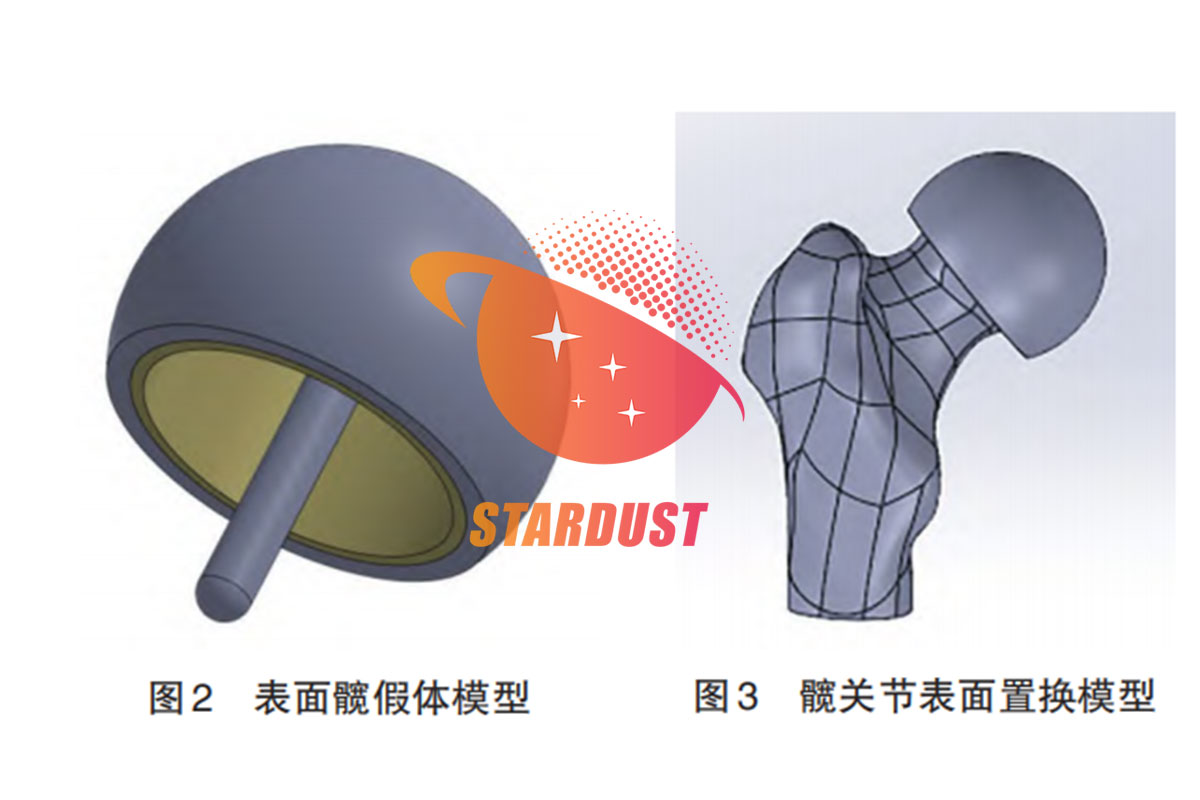
Read More0 IntroductionPioneering designs for hip arthroplasty emerged as early as the 1940s, but the first prosthetic device featuring two identical implants for the femoral head and acetabulum appeared in the early 1970s [1]. However, early hip resurfacing procedures demonstrated shorter prosthesis longevity compared to total hip arthroplasty. In the early 1990s, McMinn et al. [2] in the UK and Wagner et
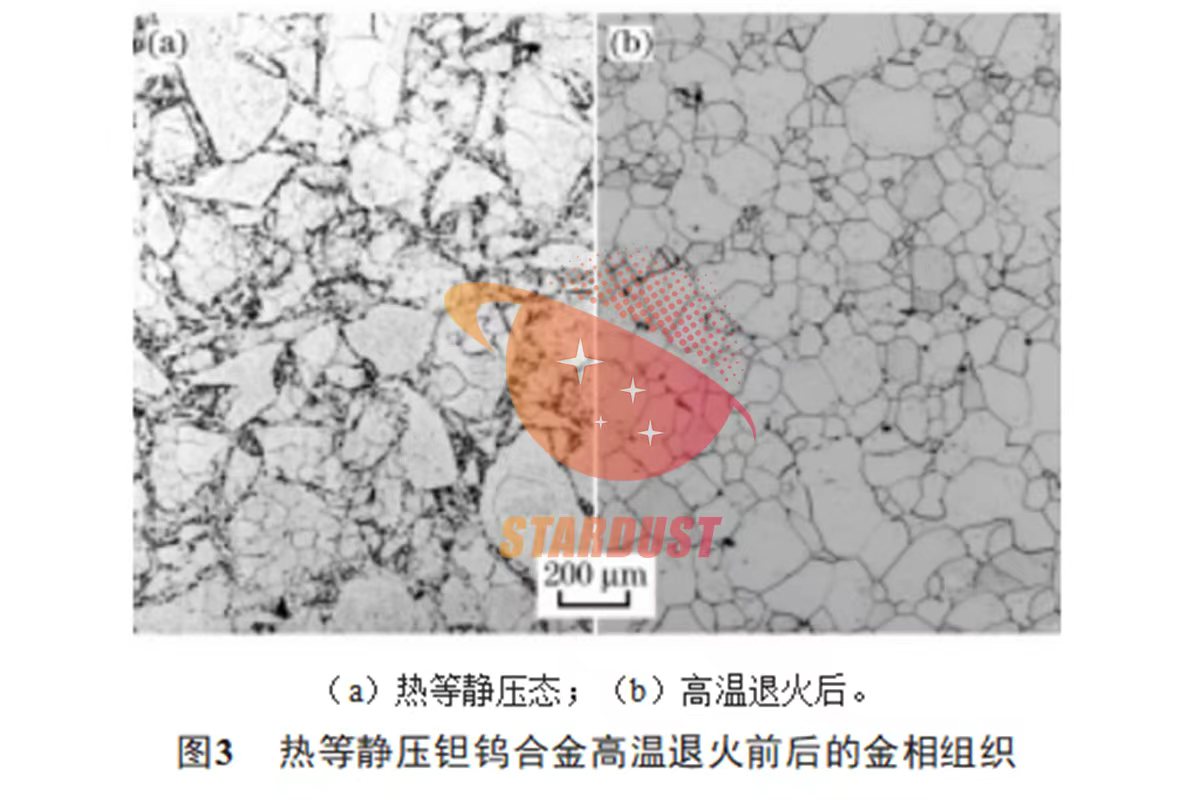
Read MoreHot isostatic pressing (HIP) is a technology that applies isostatic pressure to powder metallurgy products or compacts using high-pressure gas at elevated temperatures. This process eliminates internal defects and voids within the product while simultaneously inducing grain boundary diffusion bonding at high temperatures. This improves the mechanical properties of the product and achieves complete
Read More0 IntroductionMetal 3D printing, a core additive manufacturing technology, forms complex structures by layered material deposition, demonstrating significant advantages in aerospace, medical, and other fields. The global market reached $13.5 billion in 2023, yet internal defects such as porosity and lack of fusion remain key factors limiting its large-scale adoption (Figure 1). Consequently, timel
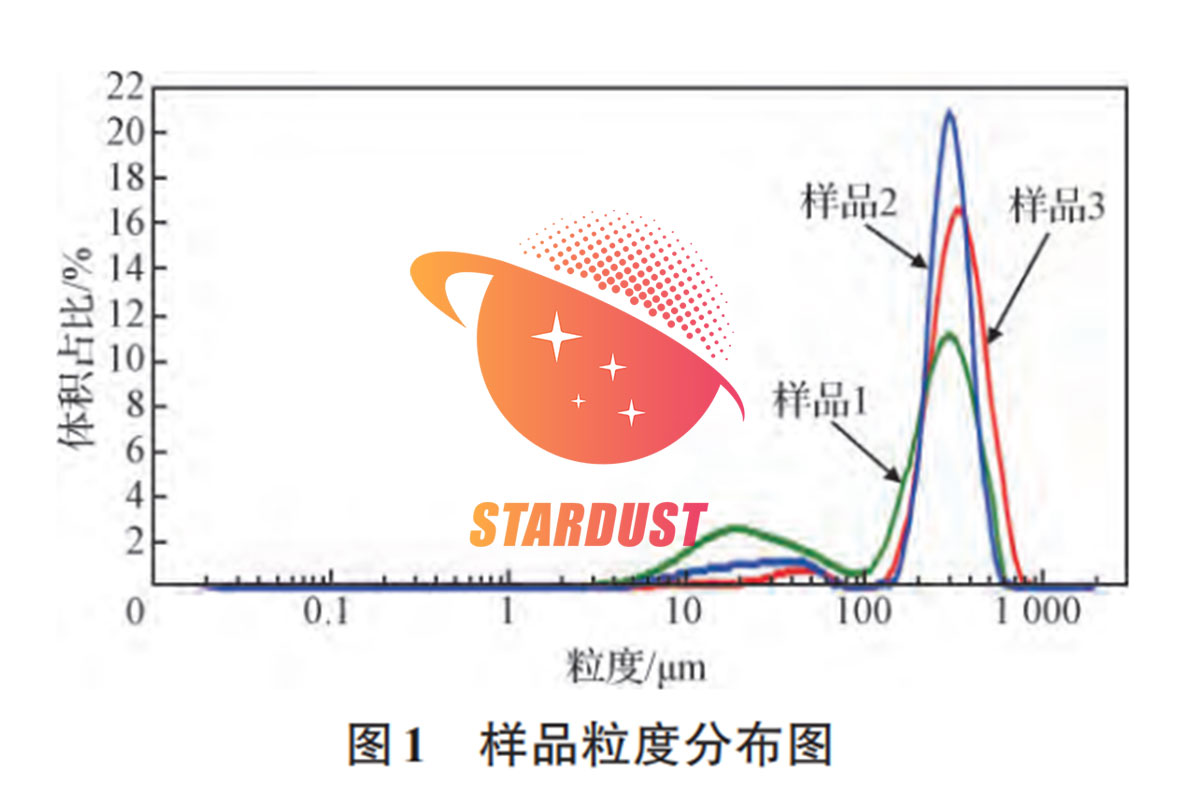
Read MoreTantalum electrolytic capacitors are widely used in medical, aerospace, military, automotive, telecommunications, and computer fields [5-8] due to their stability across a broad temperature and frequency range, high reliability, and high specific capacitance [1-4]. Tantalum electrolytic capacitors primarily consist of a tantalum anode, electrolyte, and cathode [9-10]. The tantalum anode serves as
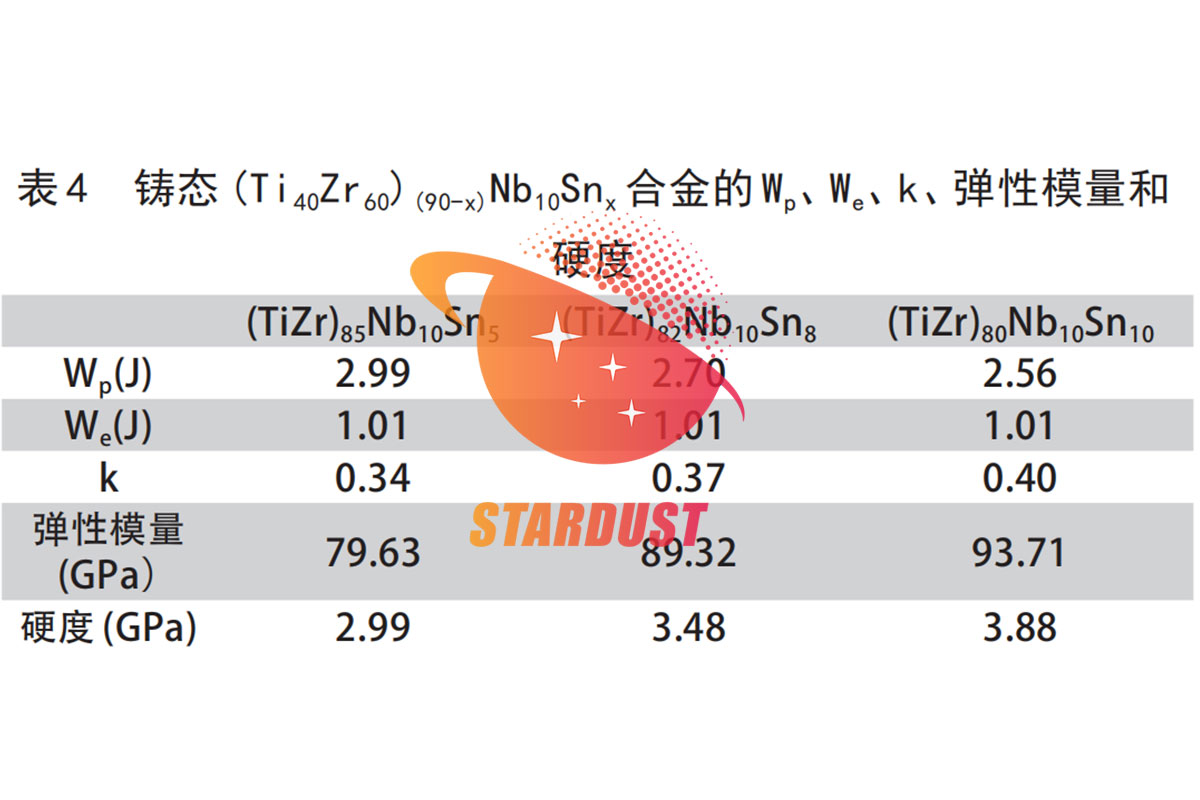
Read MoreBiomedical titanium alloys [1] serve as high-tech, economically valuable metallic materials for diagnosing and treating human tissues and organs. They are also widely used in repairing hard tissues such as bone trauma, artificial joints, and dental implants. However, current biomedical titanium alloys face numerous challenges during application. Among these, mitigating artifact issues [2] and main
Read MoreChromium is an inert metal that remains stable against water and moisture at room temperature, exhibiting strong corrosion resistance. It also demonstrates exceptional stability in corrosive media such as alkalis, nitric acid, sulfides, carbonates, and organic acids. Chromium metal coatings exhibit high hardness, excellent wear resistance, strong reflectivity, and good heat resistance [1-3]. Conse
Read MoreTungsten metal possesses outstanding properties such as high melting point, high density, high strength, high hardness, low sputtering rate, and high electrical conductivity, making it widely used in aerospace, nuclear industry, electronics, and other fields [1]. However, tungsten exhibits poor plasticity at room temperature, prone to cracking during processing, and has poor machinability. Additio
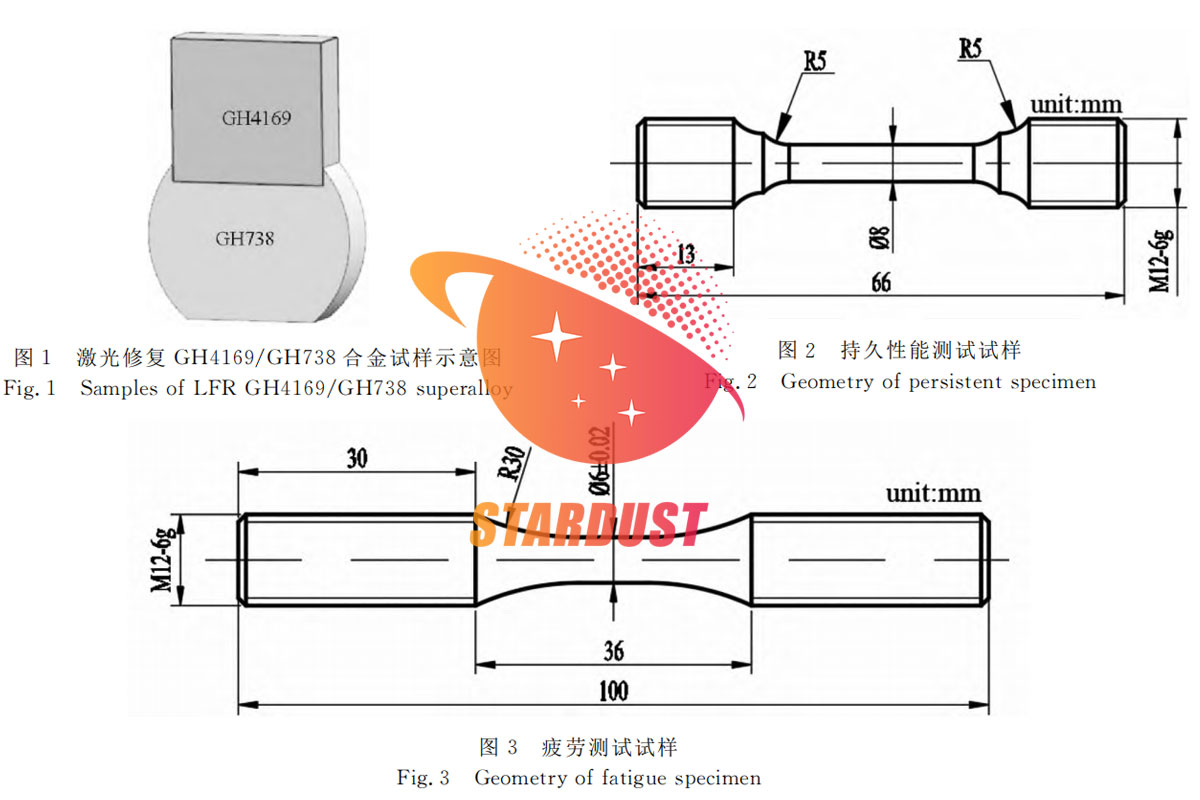
Read More0 IntroductionIn advanced aeroengines, high-temperature alloys account for 40%–60% of total material usage. Among these, nickel-based high-temperature alloys are the most widely used. GH738 alloy belongs to the γ′ phase precipitation-hardened high-temperature alloy family, exhibiting excellent resistance to combustion gas corrosion, high yield strength, superior fatigue propertie
Read MoreGH4169 nickel-based high-temperature alloy demonstrates excellent performance in high-temperature resistance, corrosion resistance, and fatigue resistance. Its distinctive feature lies in its ability to operate at temperatures up to 850°C and withstand short-term exposure to temperatures as high as 1100°C. The mechanical properties of this alloy are primarily influenced by two factors: pre
Read More