banner
News
Home

News

New Products
  • Nov 19, 2026
    Preparation and Application of Spherical Tungsten Powder

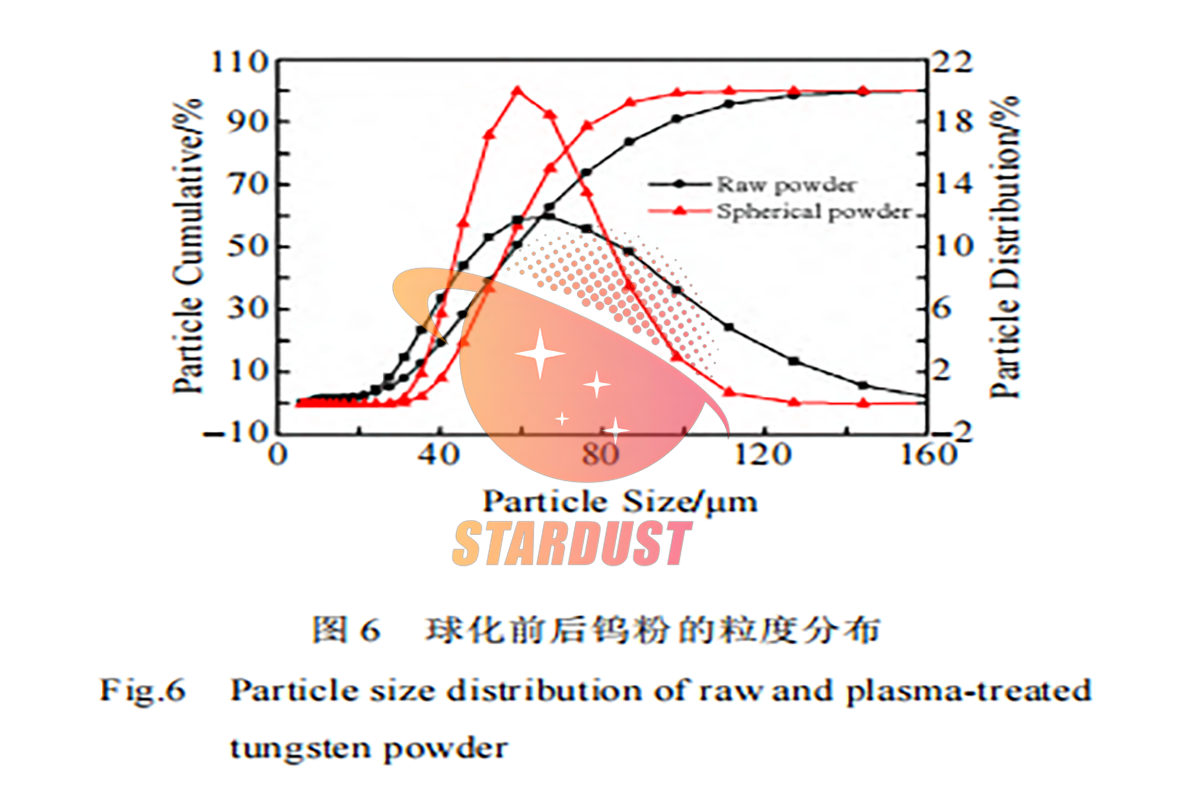
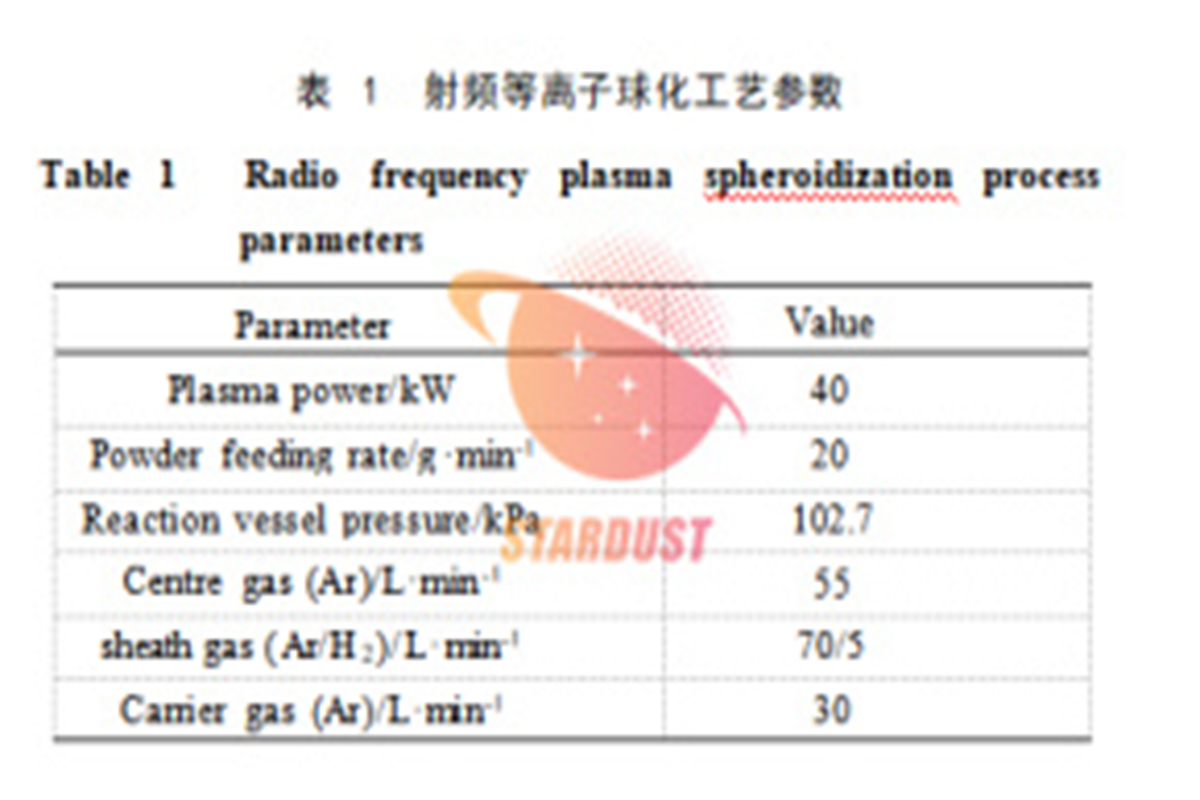
      Abstract: Spherical tungsten powder was prepared from irregularly shaped tungsten powder particles using radio frequency (RF) plasma spheroidization technology, and the effects of powder spreading and formin were evaluated. During the RF plasma spheroidization process, the effects of spheroidization process parameters (powder feeding rate and powder feeding position) and the morphology of the raw

    Read More
  • Nov 13, 2026
    Applications and Challenges of Metal 3D Printing Technology in High-End

      ManufacturingAbstractAs an important branch of additive manufacturing, metal 3D printing technology has broad application prospects in manufacturing and many other industries due to its unique manufacturing method and remarkable advantages, providing an innovative solution for the fabrication of complex components. This paper first gives a basic introduction to metal 3D printing; then introduces t

    Read More
  • Nov 09, 2026
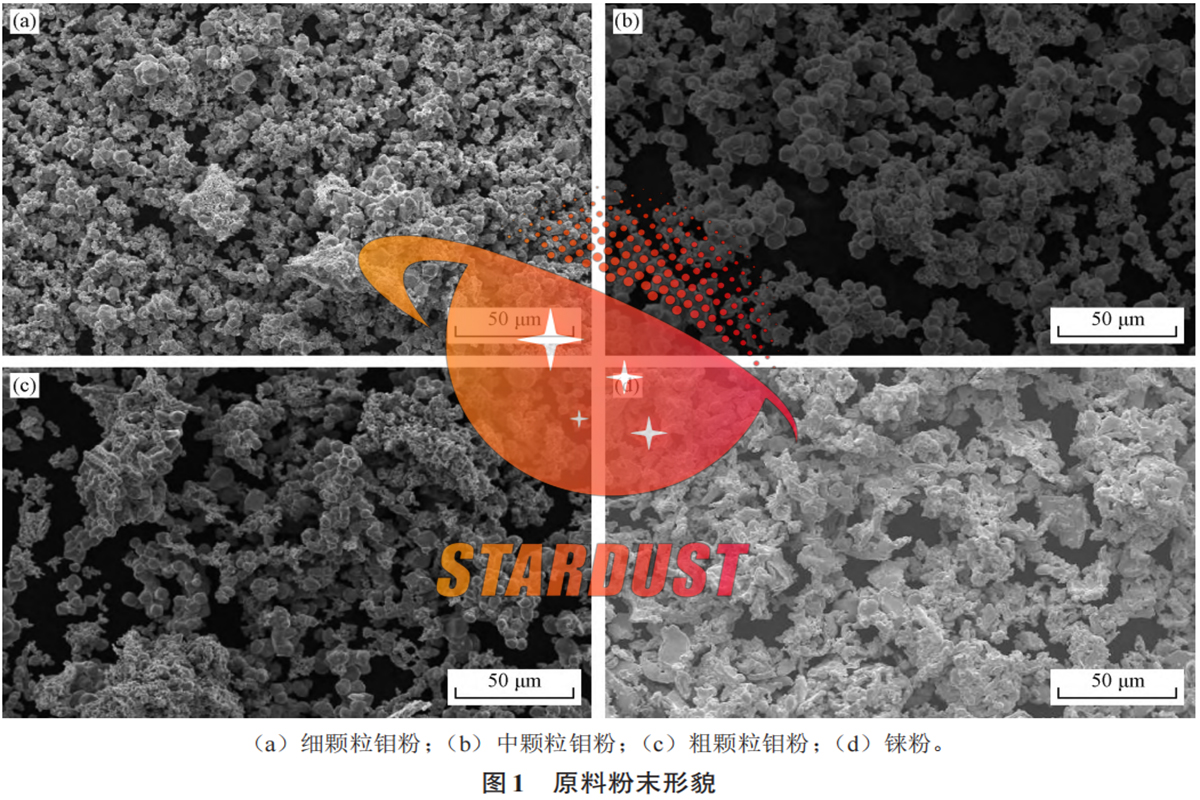
    The Effect of Molybdenum Powder Particle Size on the Properties of Molybdenum-Rhenium Alloys

      Abstract: Molybdenum-rhenium alloys exhibit good ductility and machinability at room temperature and are widely used in various industries. The properties of molybdenum-rhenium alloys prepared via powder metallurgy are influenced by the particle size of the raw materials. This study experimentally investigated MR35 alloys prepared by mixing molybdenum and rhenium powders of three different particl

    Read More
  • Oct 27, 2026
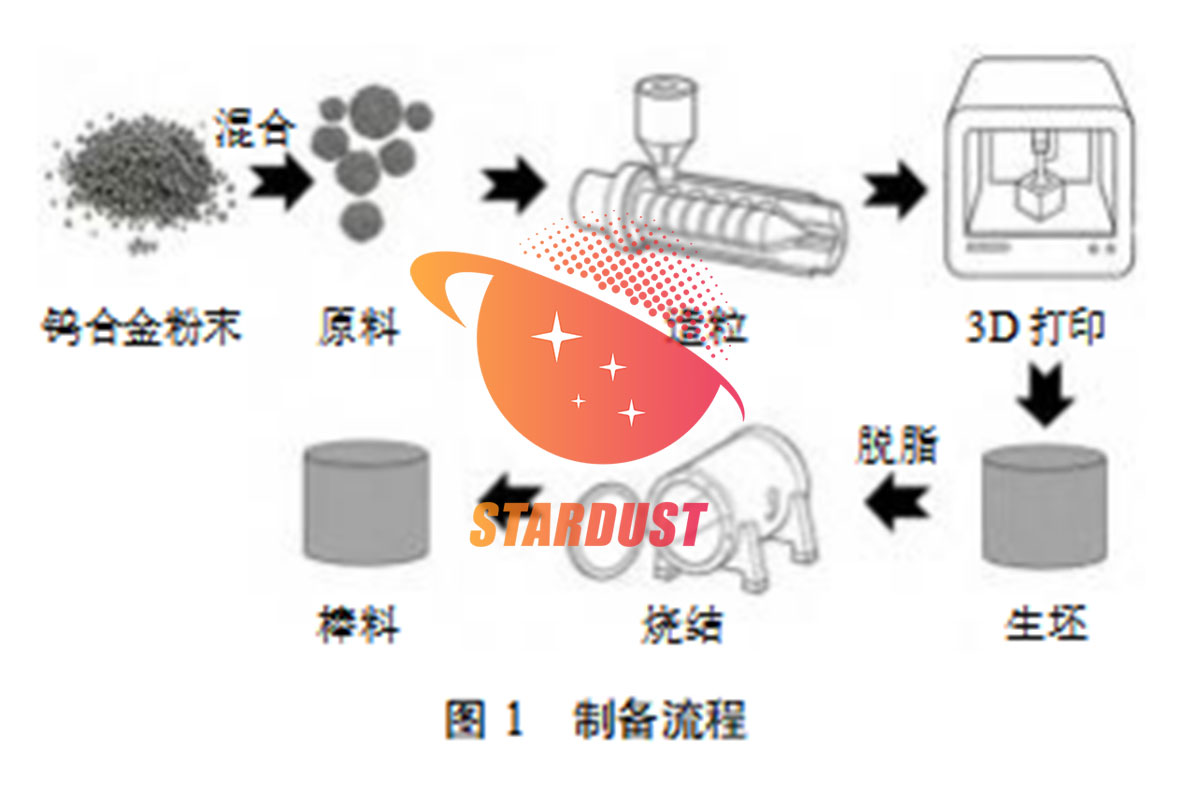
    Mechanical and Penetration Properties of Additively Manufactured Tungsten Alloys

      Tungsten alloys possess high density, high strength, high hardness, good high-temperature resistance, and excellent penetration capabilities, and are widely used in applications such as armor-piercing projectile cores, prefabricated fragments for high-explosive warheads, and thermal protection components for spacecraft [1–3]. Compared to traditional materials such as steel and aluminum alloys, tun

    Read More
  • Aug 24, 2026
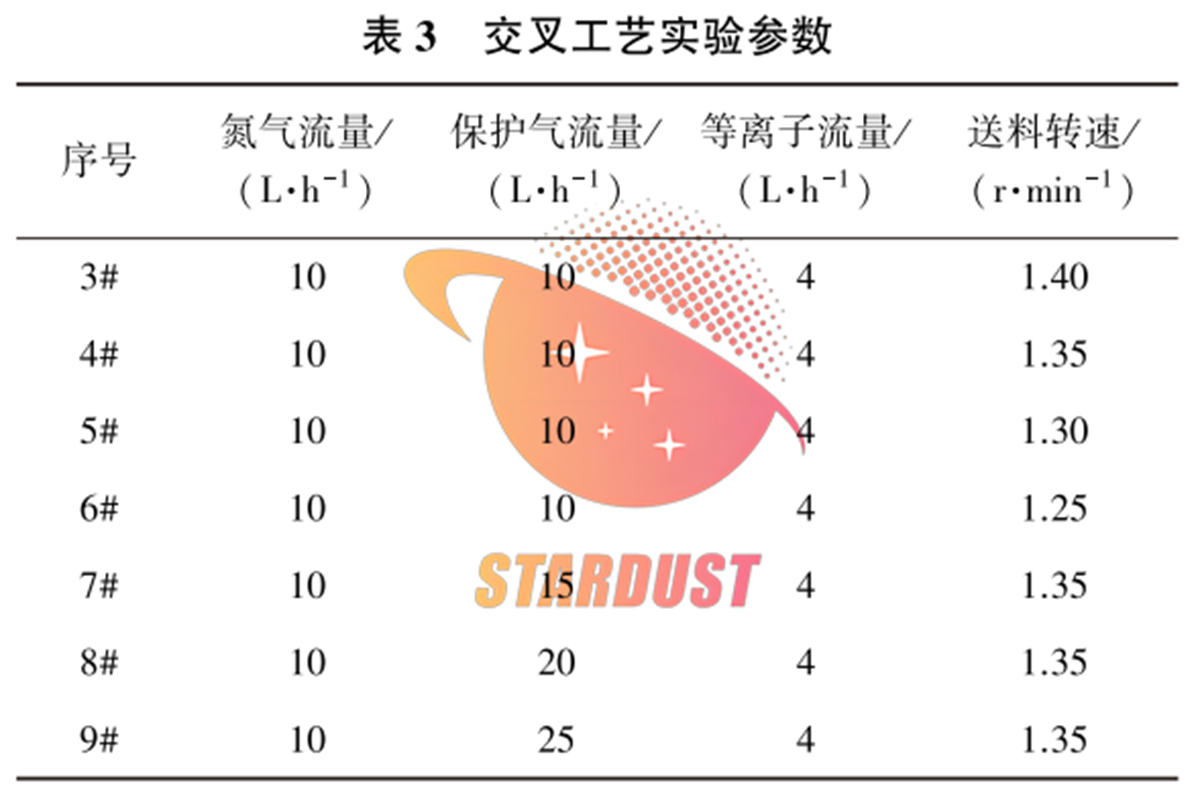
    A Study on the Preparation Process of Tungsten-Based Shielding Powder Materials for 3D Printing

      Abstract: In response to the demand for tungsten shielding materials in the nuclear energy sector and the performance requirements for powders imposed by 3D printing technology, radio-frequency plasma spheronization was employed to spheronize irregularly shaped tungsten-based powders. By investigating the effects of process parameters—such as nitrogen flow rate, feed speed, and shielding gas flow

    Read More
  • Aug 13, 2026
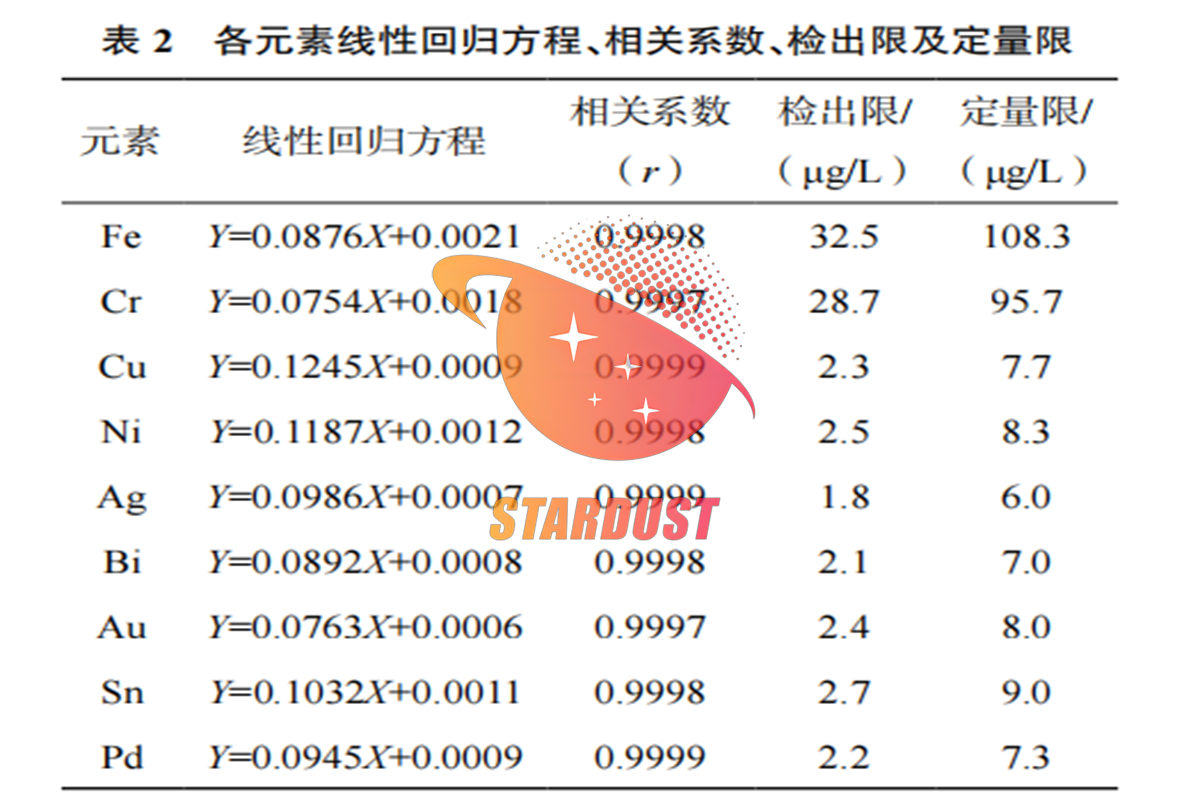
    A Study on the Improvement of Methods for Determining Key Parameters in Iron-Chromium Electrolytes Using Inductively Coupled Plasma Mass Spectrometry

      Abstract: This study aims to establish a precise and efficient technical system for the detection of key indicators. By systematically optimizing sample pretreatment procedures and inductively coupled plasma mass spectrometry (ICP-MS) detection conditions, a method for the simultaneous detection of multiple elements was developed using a mixed nitric-hydrochloric acid gradient digestion technique

    Read More
  • Aug 03, 2026
    Research, Development, and Application of Cost-Effective Niobium-Vanadium Microalloyed HRB600E Reinforcing Bars

      Abstract: To meet the evolving demands of the construction steel market, this study optimized the design of niobium-vanadium composite microalloying and the controlled rolling and cooling processes. By integrating research on the thermodynamic behavior of microalloying elements and phase transformation kinetics, the properties and microstructure of the prototype reinforcing bars were examined and

    Read More
  • May 20, 2026
    Optimization of the Hydrogenation-Dehydrogenation Process and Characterization of the Properties of High-Purity Medical-Grade Tantalum Powder

      Abstract: This study focuses on the preparation of high-purity medical-grade tantalum powder. It optimizes the process parameters of the hydrogenation-dehydrogenation process and systematically characterizes the properties of the resulting tantalum powder. The results indicate that the process optimization effectively improved the purity and overall performance of the tantalum powder, meeting the

    Read More
  • Apr 21, 2026
    Preparation of spherical MoNbTaW refractory high entropy alloy powder by RF plasma

      Abstract: Using MoNbTaW powder prepared by spray granulation as the raw material, spherical MoNbTaW refractory high-entropy alloy powder was produced via radiofrequency plasma. The effects of spheronization power, carrier gas flow rate, and shielding gas composition on the powder spheronization rate were investigated. Scanning electron microscopy (SEM), X-ray diffraction (XRD), laser particle size

    Read More
  • Apr 13, 2026
    Research progress on effect of heat treatment processes on properties of high entropy alloys

      Abstract : From the perspective of heat treatment ,effects of various heat treatment processes on mechanical properties ,wear resistance, corrosion resistance and other properties of high entropy alloys were systematically elaborated ,including conventional heat treatment ( annealing) ,surface heat treatment (laser cladding) ,chemical heat treatment (carburizing,nitriding,and

    Read More
  • Apr 02, 2026
    Molybdenum Used in Semiconductor Industry

      Abstract : Molybdenum exhibits many advantages in semiconductor industry.Summarized the physicochemical properties, preparation processes,and application directions of three kinds of molybdenum precursors (molybdenum hexafluoride,mo- lybdenum dichloride dioxide,and molybdenum hexacarbonyl).1 IntroductionElemental molybdenum possesses numerous advantages, including a high melting point, low therma

    Read More
  • Mar 30, 2026
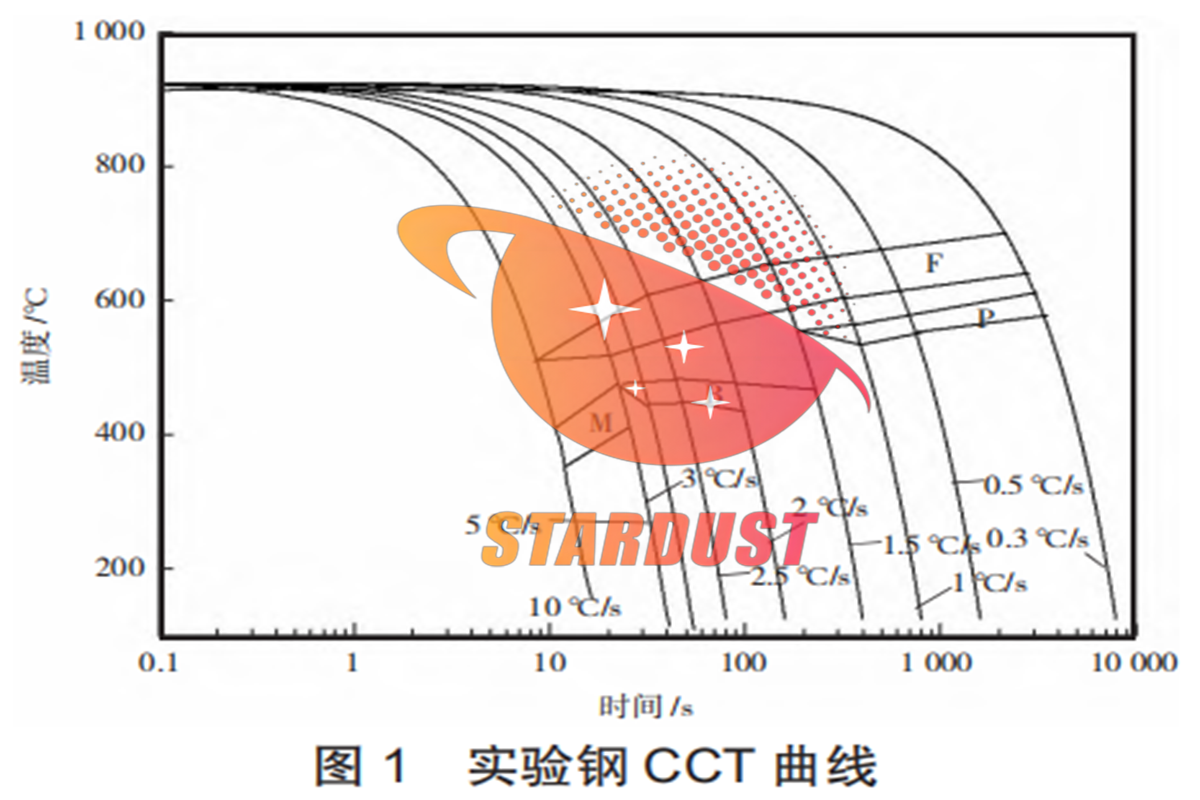
    Effect of vanadium on hardenability of 40CrNiMo steel

      Abstract : To address the high cost issue of adding nickel to 40CrNiMo steel while maintaining its good hardenability , a technical solution was proposed to reduce nickel content through vanadium (V) microalloying , aiming to achieve cost control while maintaining excellent hardenability. The original austenite grains and microstructure of the experimental steels were characterized using

    Read More
|< << 1 2 3 4 5 6 7 8 9 10 >> >|

Need Help? leave a message

leave a message
If you are interested in our products and want to know more details,please leave a message here,we will reply you as soon as we can.
Send

Home

products

whatsApp

contact